
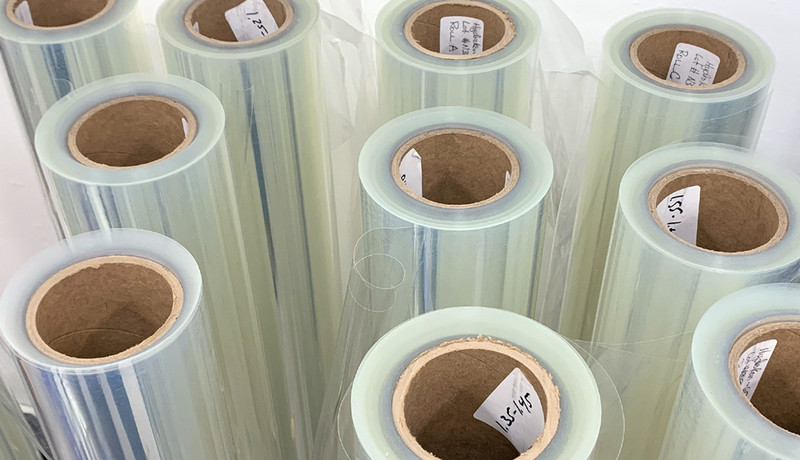
How to Store Hydrokon Water Transfer Film for Consistent Results Year-Round
Jan 28th 2026
Hydrokon is a PVA-based (polyvinyl alcohol) water transfer film. PVA’s sensitivity to water is what makes hydrodipping work, but it also means storage conditions matter. Humidity and temperature swings can change the film’s moisture content, which can affect coating integrity, printing consistency, and activation behavior during dipping.
If you want repeatable results, start with proper storage.
Recommended storage conditions for Hydrokon film
Store Hydrokon Water Transfer Film in a controlled environment at:
- 65°–75°F (18°–24°C)
- 35–55% relative humidity (RH)
Storing outside this range can cause the film to absorb moisture or dry out, leading to issues like wrinkling, curling, tackiness, brittleness, or uneven activation during dipping.
Why humidity affects PVA film performance
PVA naturally reacts to moisture in the air:
In high humidity
- PVA can absorb water, which may cause the film to swell, soften, or become tacky.
- The film can feel sticky, making it harder to unroll or separate cleanly.
- Excess moisture can contribute to weaker durability and inconsistent performance.
In low humidity
- PVA can lose moisture, becoming brittle.
- Brittle film is more prone to cracking and handling damage.
Stable humidity is one of the biggest factors in keeping film behavior consistent from one roll to the next.
Keep film sealed in the original foil packaging
The best way to protect Hydrokon film from environmental fluctuations is to keep it sealed in its original foil packaging until you’re ready to use it.
- Reseal opened rolls tightly after each use.
- Avoid leaving film exposed on a bench or near open doors, vents, or windows.
- Keep film away from direct sunlight and heat sources.
This also helps prevent contamination (dust, shop overspray, airborne particles) that can interfere with printing and dipping.
Store rolls the right way to prevent curl and edge damage
- Store rolls level on a shelf, supported across the roll (not hanging off an edge).
- Protect the roll edges from dents and crushing.
- Avoid leaning rolls in a corner for long periods, which can increase curl “memory.”
Acclimate film before printing or dipping
If film has been stored in a cold warehouse, hot delivery truck, or unconditioned shop, let it acclimate in your production area while still sealed before use. This reduces sudden moisture changes that can lead to curling, printing variability, or activation inconsistencies.
Common storage-related issues (and what to do)
Film is sticky or hard to unroll
- Most often caused by high humidity.
- Move film to the recommended range and keep it sealed between uses.
Film is brittle or cracking
- Most often caused by low humidity.
- Restore conditions to the recommended range and allow time to stabilize before handling.
Film is curling or wrinkling
- Often caused by temperature/RH swings or improper roll storage.
- Store level, sealed, and stable; acclimate before printing.
Uneven activation during dipping
- Storage outside the recommended range can affect film moisture content and coating integrity.
- Before changing your activator process, confirm the film was stored properly.
Quick storage checklist
- ✓ 65°–75°F and 35–55% RH
- ✓ Sealed in original foil packaging
- ✓ Stored level, edges protected
- ✓ Protected from sunlight, vents, and heat sources
- ✓ Clean handling to avoid dust/contamination
Final tip: consistent storage extends shelf life
Proper storage doesn’t just improve day-to-day results. Keeping film sealed and in a controlled environment helps extend shelf life and preserves the quality and usability of your Hydrokon film over time.
Need help dialing in your workflow? Visit our FAQ page or contact the Hydrokon team for guidance on storage, printing, and dipping best practices.