
The History of Hydro Dipping: From Military Tech to Custom DIY with Hydrokon
Jul 2nd 2025
Hydro dipping, also known as hydrographic printing or water transfer printing, is more than just a trend. It’s a decades-old process that’s evolved from industrial use to an accessible method for anyone looking to personalize 3D objects.
Today, with Hydrokon Water Transfer Film, you can create your own custom prints and become part of hydro dipping history. Let’s take a look back at how this innovative technique got its start and how Hydrokon is shaping its future.
A Brief History of Hydro Dipping
From military camouflage to custom tumblers, hydro dipping has come a long way. With a printable films like Hydrokon, you're not just part of the process, you’re part of the evolution.
The Origins: Early Transfer Techniques
The earliest versions of water-based image transfers can be traced back to the 1930s–1950s, with origins in Japan and Europe. These early techniques laid the foundation for what would later become modern-day hydrographics.
1980s: Hydrographic Patents and Industrial Use
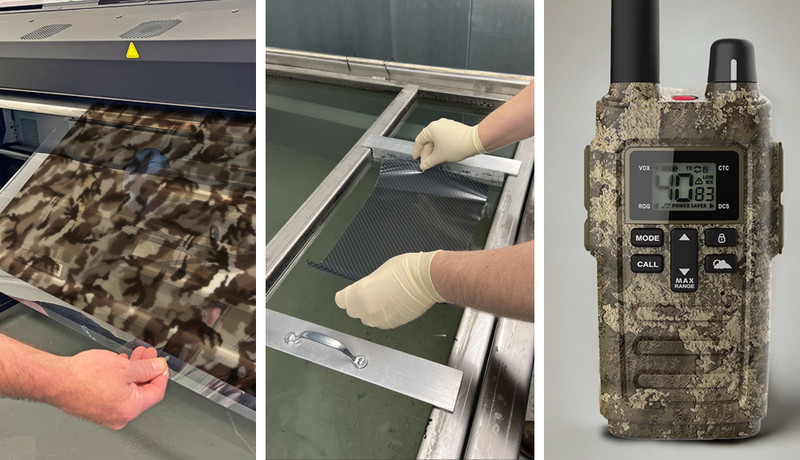
By the 1980s, Japanese companies began filing patents for automated hydrographic film processes. These methods involved printing intricate patterns, like wood grain or camouflage, onto PVA (polyvinyl alcohol) film, then transferring the design onto complex 3D surfaces.
Military Applications
The 1990s saw a surge in hydro dipping for military purposes, where gear and weapons were coated in camouflage patterns. The process was prized for its ability to create durable, seamless coatings on irregular objects, something traditional printing methods couldn’t match.
Hydro Dipping Goes Mainstream
As technology improved and the cost of hydro dipping equipment dropped, the process made its way from high-tech factories to small businesses and home workshops. Custom shops and DIY creators could now use hydrographic film to decorate:
- Motorcycle and automotive parts
- Tumblers and drinkware
- Game controllers and electronics
- Helmets, phone cases, sunglasses—you name it
The rise of desktop-compatible inkjet printers and blank printable films created a booming market for custom hydro dipping.
Hydrokon: Innovating the Hydro Dipping Industry
While the dipping process remains relatively unchanged (print, float, activate, dip) Hydrokon has modernized it with features tailored for today’s creators and custom shops.
Why Hydrokon?
- Made in the USA – The only customizable blank hydrographic film made domestically
- Compatible with latex and pigment-based printers
- Clear polyester backing – Allows for perfect registration when printing
- Consistent quality – Each sheet performs the same, batch after batch
- Designed for DIY and pros alike – From small projects to full-scale production
Hydrokon takes the guesswork out of printing your own water transfer film. You don’t need specialized ink or hard-to-find software. You just need a compatible printer, your design, and a vision.
As creators demand more flexibility, speed, and quality in their customization workflows, Hydrokon is meeting the moment. It empowers artists, entrepreneurs, and hobbyists to bring bold ideas to life without compromising on detail or durability.
Hydro Dipping Today: Accessible & Limitless
Hydro dipping is now used across industries, from sporting goods and fashion to home décor. Thanks to Hydrokon, the barriers to entry have never been lower. You can now:
- Print your own designs
- Brand your products
- Offer small-batch personalization
- Dip on metal, plastic, glass, ceramic, and wood
Whether you're customizing for fun or for business, Hydrokon delivers clean, professional, and unique results.
Whether you're a small business owner expanding your product line, or a DIY enthusiast looking for your next project, Hydrokon makes professional hydro dipping possible right from your workspace. If you have any questions about what’s possible with Hydrokon Water Transfer Film, contact the Hydrokon support team for more information.